Ujjain
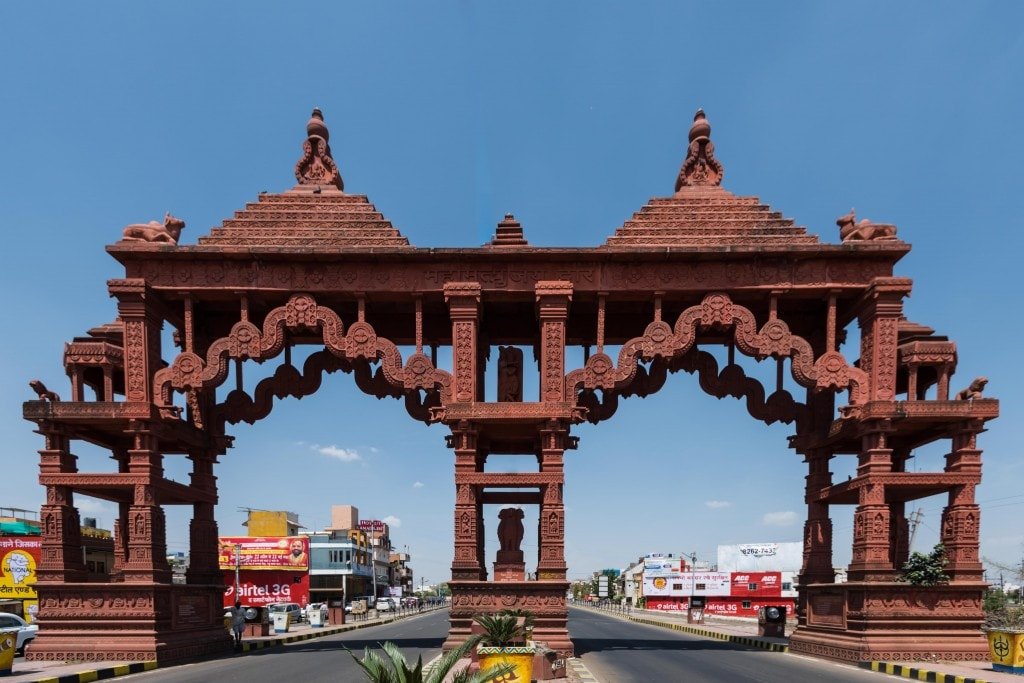
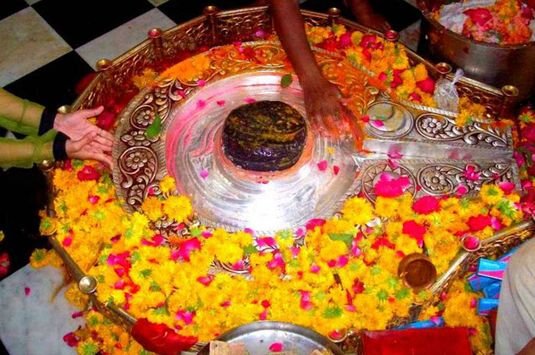
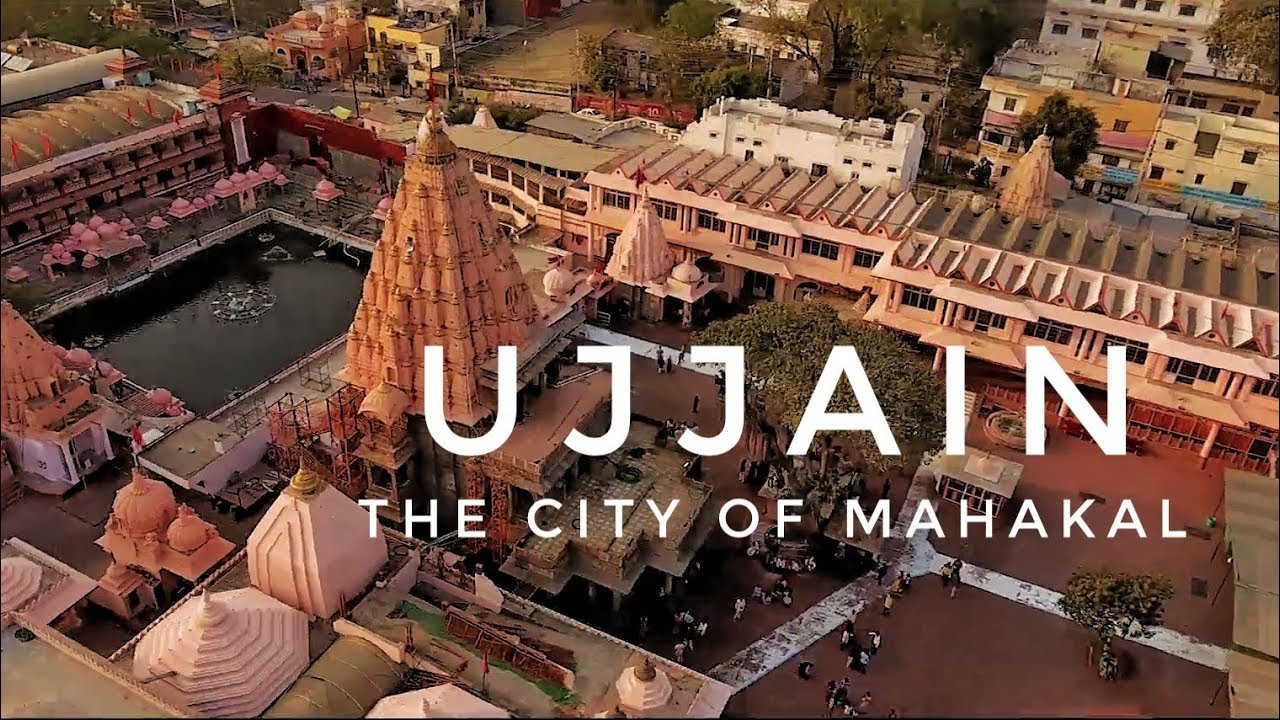
Ujjain is an ancient city beside the Kshipra River in the central Indian state of Madhya Pradesh. An important Hindu pilgrimage destination, it’s known for the centuries-old Mahakaleshwar Temple, a towering structure with a distinctively ornate roof. Nearby, Bade Ganesh Temple houses a colorful statue of Ganesh, the elephant-headed Hindu deity. Harsiddhi Temple features a pair of tall dark pillars studded with lamps.
Culture & Heritage
Ujjain, an ancient city with a history spanning over 5,000 years, holds a prominent place in various religious texts, such as Adi Brahma Puran, AgniPuran, and Garuda Puran. At one point in time, it served as the capital of a vast empire. According to religious beliefs, Ujjain has never experienced destruction as the god of destruction, Mahakal, resides here. Among the seven cities believed to grant salvation, Avantika (Ujjain) is considered the most significant.
Ayodhya Mathura, Maya, Kashi Kanchi Avantika |
Puri, dwaravatiChev Saptetaha: Mokshadayika: ||
The city boasts of one Jyotirling out of the 12 Jyotirlings, one out of the seven cities providing salvation, two Shakti Peeths (Gadhkalika and Harsiddhi), and the sacred Kumbh Mela, which takes place in four Indian cities. Ujjain also houses the cave of King Bhartari and is believed to have the footprints of Lord Vishnu.
” Vishnaw: Padamvantika ”
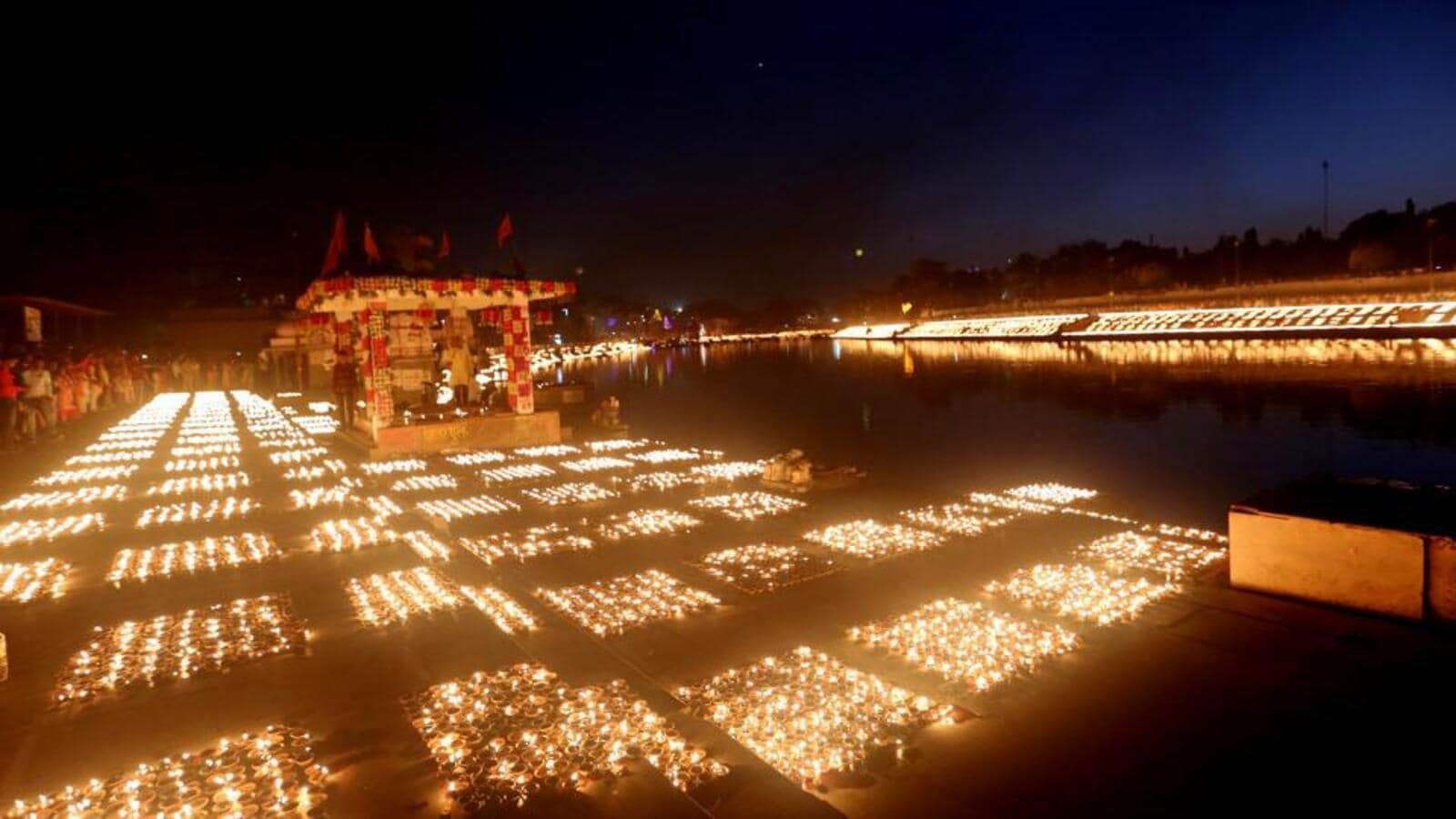
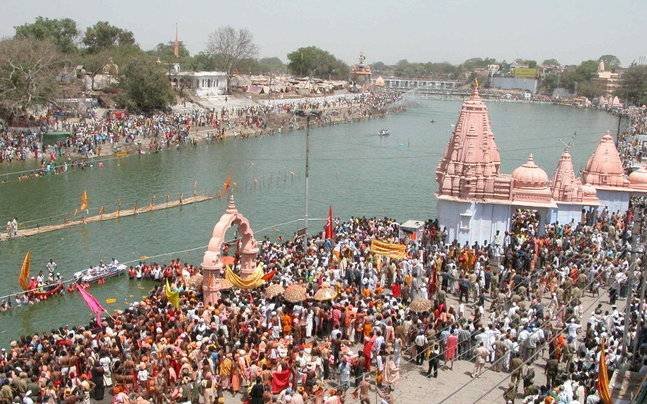
It is said that Lord Rama performed his father's last rites at Ujjain, giving the site the name 'RamGhat.' The 'Shahi Bath' during Simhasta takes place at this location.
Ujjain has been known by multiple names, including Ujjaini, Pratikalpa, Padmavati, Avantika, Bhogwati, Amravati, Kumudwati, Vishala, and Kushasthati. As the capital of Avanti Janpada, it was referred to as Avantikapuri.
Many great scholars, including Kaalidas, Varahmihir, Banabhatta, Rajashekera, Pushpadanta, Shankaracharya, Vallabhacharya, Bhartahari, Diwakar, Kattayayan, and Bhas, were associated with Ujjain. The city was once the regional capital of Mughal Emperor Akbar and was ruled by Marathas before the 18th century. The Sindhiya Dynasty rulers promoted Hinduism, and in 1235, Iltutmish invaded and looted the city. King Vikramaditya chose Ujjain as his capital, and the renowned Sanskrit scholar Kaalidas was part of his court. In 1810, the Sindhiya Dynasty shifted their capital to Gwalior. King Bhartari took "Vairaagya Diksha" in Ujjain, following the Naatha Tradition of religious sect under the guidance of Guru Gorakshnaath. For centuries, Ujjain has been a religious center for Hindu, Jain, and Buddhist faiths.
SkandPurana describes Ujjain as the birthplace of Mangal Griha, and AgniPuran regards it as a city of salvation and the city of gods. Ujjain is home to 84 Mahadevs, 64 YOGINIS, 8 Bhairavs, and 6 Vinayakas, according to SkandPurana. The great poet Kaalidas praised Ujjain's beauty, comparing it to a piece of heaven.
Ujjain's central location makes it scientifically significant, as astrology originated and evolved in this city. It has provided time calculation systems to India and other countries, highlighting its natural geographical and astrological importance.
Geographically, Ujjain is located on the banks of the Kshipra River and on the Malwa plateau, standing 491.74 meters above sea level at 23.11° N latitude and 75.50° E longitude. The city enjoys a moderate temperature and a pleasant climate.
Numerous festivals take place in Ujjain, such as the three-day Shaiv Mahotsav,
which runs from January 5 to 7, and features a symbolic gathering of all 12 Jyotirlingas. The event begins with a grand Shobha Yatra, showcasing replicas of all 12 Jyotirlingas.
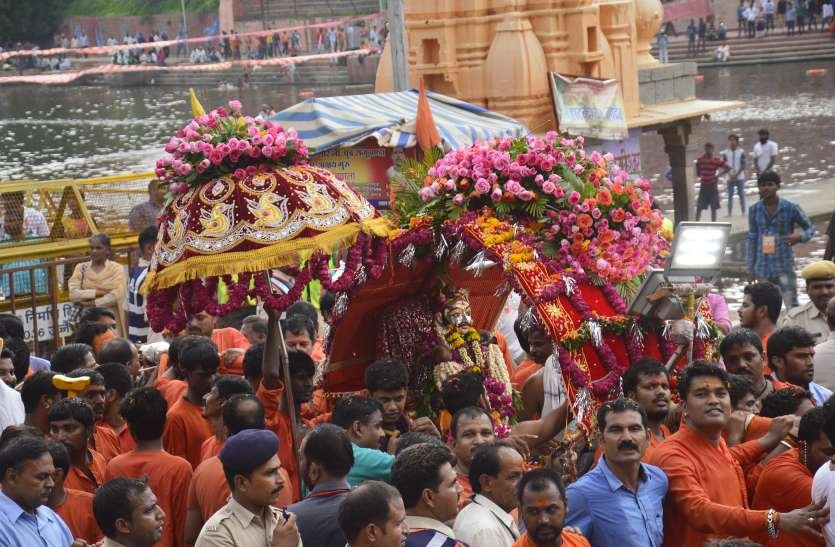
During the Shravan Sawari, Lord Mahakala's procession passes through Ujjain's streets on every Monday of the Sravana month until the Amavasya in the dark fortnight of Bhadrapada and from the bright fortnight of Kartika to the dark fortnight of Magasirsha. The last Sawari in Bhadrapada is celebrated with great fanfare, attracting a large number of attendees. The procession of Mahakala on the Vijaydasami festival, visiting the celebrations at Dashahara Maidan, is also a popular event.
The Kalidas Samaroh, initiated in 1958, is an annual celebration held in Ujjain to honor the great poet Kalidasa. The government of Madhya Pradesh established the Kalidasa Akademi in Ujjain to organize the event each year, commemorating the memory of Mahakavi Kalidasa.


The City Maps
Trip Ideas
FEATURED ARTICLE
Must Visit Places in Ujjain
Ujjain, also known as Ujjayini or Avanti, is an ancient city located in the central Indian state of Madhya Pradesh. It is one of the seven sacred cities in Hinduism and has a rich cultural and religious history. Ujjain is located on the banks of the river Shipra and is home to numerous ancient temples, historical monuments, and spiritual centers. In this article, we will explore some of the top places to visit in Ujjain.
FEATURED ARTICLE
